

SEDATION

SEDATION

TREATMENT UNDER ANESTHESIA

Anesthesia is an essential part of dental treatment, and the anesthesiologist plays a very important role in the modern dental team.

What Is Sedation?

Sedation is a specialized form of anesthesia in which medications are used to create a feeling of relaxation and comfort during treatment.

Although these medications do not cause complete unconsciousness, patients under sedation often feel sleepy, calm, and deeply relaxed.

This type of anesthesia is lighter and safer than general anesthesia, providing comfort, quick recovery, and — most importantly — a pain-free treatment experience.

How does the procedure work?

The sedative medication is administered intravenously through a thin catheter into the bloodstream, creating the sensation that the patient is asleep. However, the patient remains conscious and able to follow the dentist’s instructions. At the same time, fear, anxiety, and tension are replaced by a deep feeling of relaxation. Most patients remember very little of the procedure and perceive the treatment time as very short. Overall, sedation is considered a pleasant experience for patients, often compared to a light state of euphoria.

Sedation is a safe and low-risk anesthesia method when performed by experienced and qualified professionals. The effect of intravenous sedatives begins very quickly, allowing the anesthesiologist to adjust the dosage to achieve the desired level of sedation. Since these medications have a short half-life, patients are able to stand up and move independently shortly after the procedure, although regulations require them to be accompanied by another person.

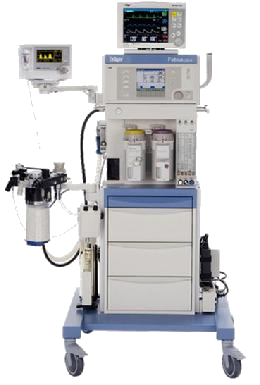
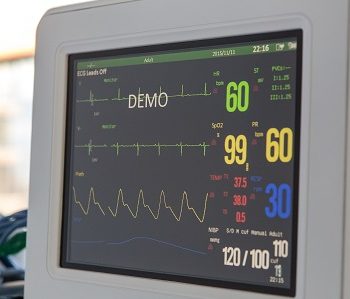
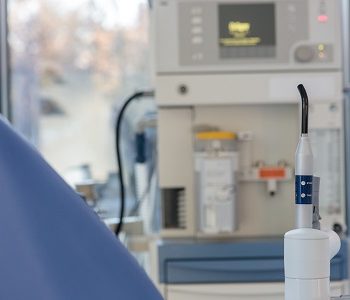
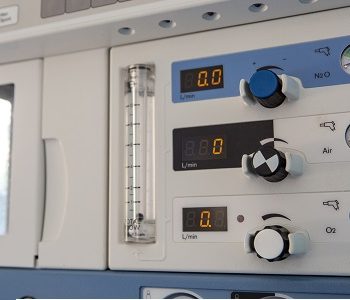
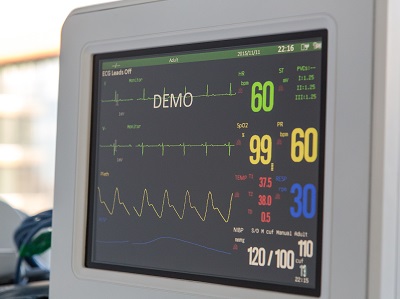
Before the sedation begins, the anesthesiologist measures the patient’s blood pressure and attaches all necessary monitoring equipment to track vital signs. Once sedation has started, the dentist proceeds with the planned treatment.
To minimize the number of sedation sessions, the dentist aims to complete as many dental procedures as possible during a single visit. Throughout the treatment, the anesthesiologist continuously monitors the patient’s vital signs and oxygen levels to ensure maximum comfort, safety, and well-being.

After the sedation is completed, the patient may rest briefly on a sofa before being accompanied home. Until the end of the day, the patient must not drive a vehicle or operate machinery.

Is sedation right for you?

Sedation can be extremely beneficial for many people, especially for those who experience fear or anxiety during dental treatment or have a strong fear of injections. People with very sensitive teeth or those who experience significant discomfort during local anesthesia often find it difficult to communicate with the dentist and undergo treatment comfortably. With sedation, these patients feel calm and relaxed.

Anyone who has previously had a frightening or traumatic dental experience may feel nervous or tense during future visits. Sedation can help overcome these fears. In addition, the muscle relaxation achieved through sedation makes treatment easier for patients with a strong gag reflex or difficulties controlling muscle movements.

Sedation is also often the preferred choice for patients with underlying medical conditions in which stress may worsen their overall health, such as:

  • high blood pressure
  • diabetes
  • psychological or neurological conditions
  • gastrointestinal disorders

Relative contraindications for sedation

Relative contraindications include:

• pregnancy

• a known allergy to benzodiazepines

In such cases, consultation with the anesthesiologist is absolutely necessary.
The collaboration between the anesthesiologist and the dentist allows for proper monitoring and management of possible complications, especially in patients with accompanying conditions such as hypertension or a history of stroke.
With accurate information about the patient’s general health, the correct choice of anesthesia method, and careful monitoring, both sedation and general anesthesia are considered completely safe.

Complications such as a ruptured vein or mild irritating cough are rare and usually resolve quickly.


    I accept the terms and conditions, and privacy policy...

    EO_Logo
    General Safety Provisions

    This website uses cookies to provide you with the best possible experience. Cookie information is stored in your browser and serves purposes such as recognizing you when you return to our website and helping us understand which pages are most interesting and useful to you.

    You can change your cookie settings via the menu on the left-hand side.

    For more information about what data is collected on this website, how it is used, stored, and deleted, please refer to our Terms and Conditions | GDPR Policy.