
ORAL SURGERY

Tooth Extraction

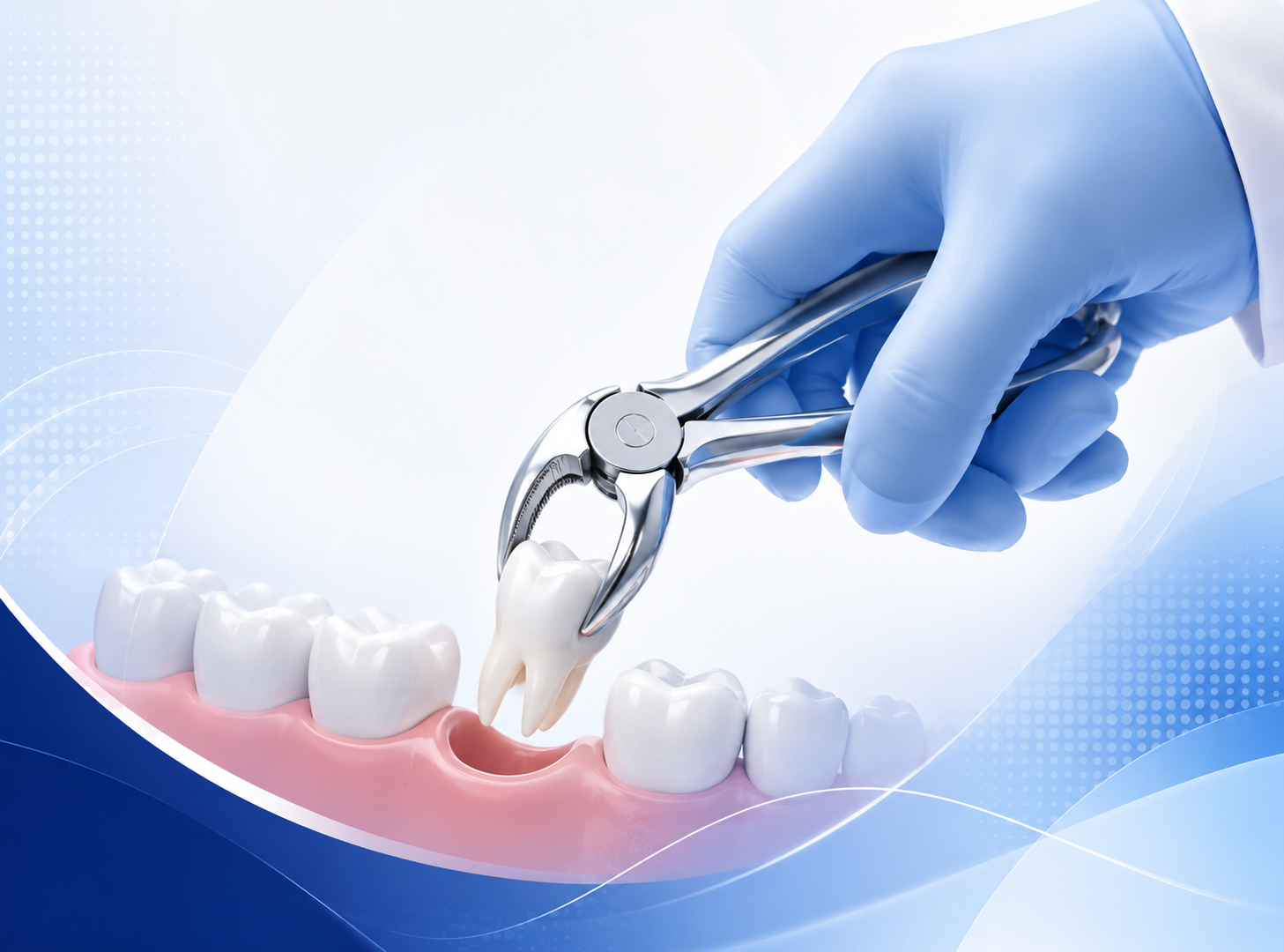
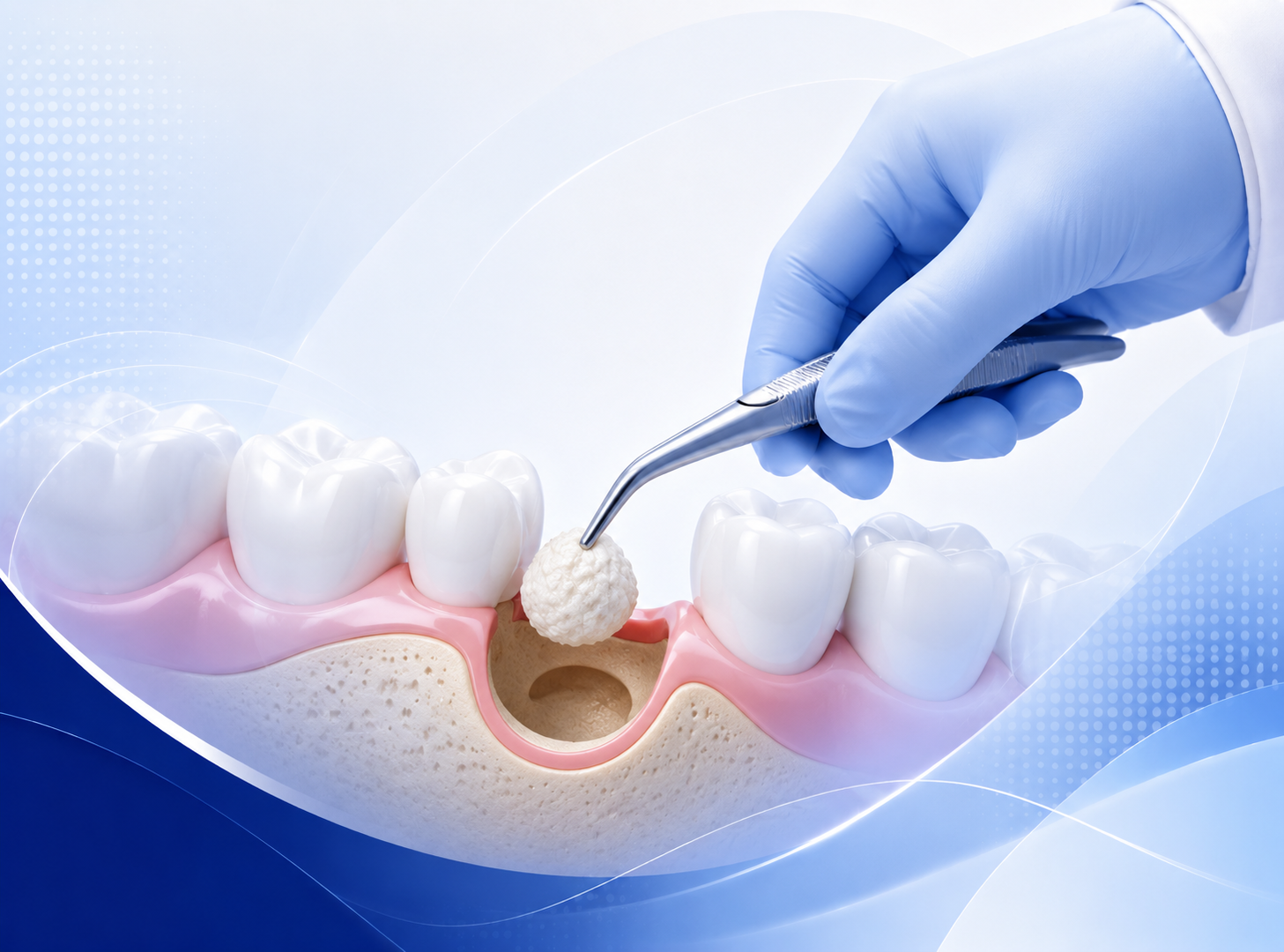
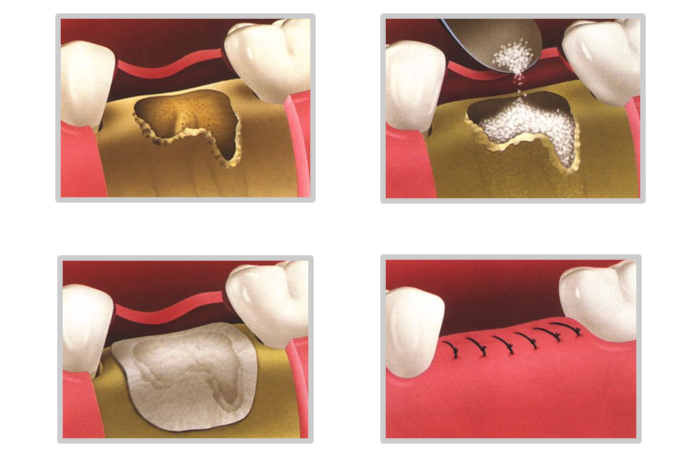
Tooth extraction is one of the most extreme treatment methods. It is performed when a tooth can no longer be restored or when it damages a nerve, injures the oral mucosa or tongue, and interferes with normal chewing.

An extraction should only be considered as a last resort, when other methods for preserving the tooth are not possible or when the affected tooth could lead to more serious complications.

Which teeth need to be extracted?

  • Teeth with deep decay (below the gum line) that cannot be restored
  • Fractured or severely damaged teeth with an unfavorable prognosis
  • Teeth with granulomas or cysts that cannot be treated endodontically
  • Teeth causing abscesses that are not suitable for root canal treatment
  • Teeth affected by periodontitis where the source of inflammation cannot be eliminated
  • Teeth interfering with orthodontic treatment
  • Impacted teeth causing local discomfort
  • Supernumerary teeth
  • Teeth interfering with the placement of a dental prosthesis
  • Teeth with severely damaged supporting structures

Removal of Impacted Teeth

The most commonly impacted teeth are the wisdom teeth. In some cases, they may never cause discomfort throughout a person’s life and therefore do not require removal. However, their extraction is often associated with complications and requires a surgical procedure.

When should impacted wisdom teeth be removed?

  • In cases of recurrent inflammation of the surrounding soft tissues (peri- and pericoronitis)
  • When there is a risk of root resorption of the neighboring tooth
  • When there is a risk of decay developing in the adjacent tooth
  • In cases of lack of space in the lower jaw (crowding)
  • For orthodontic indications
  • In cases of formation of a follicular or retromolar cyst

Main Contraindications for Tooth Extraction

  • Cardiovascular diseases in the acute phase
  • Acute viral respiratory infections
  • Acute psychiatric disorders
  • Malignant tumors
  • Stomatitis

Cyst Removal

Dental cysts can vary in type, origin, and location. Most commonly, they appear at the root tip of non-vital teeth — so-called periapical cysts. In most cases, such a cyst develops as a result of untreated tooth decay that progresses to the dental pulp, causing chronic inflammation. Over time, this process spreads throughout the entire pulp. If left untreated, the inflammation extends through the root tip into the surrounding connective tissue.

This connective tissue, known as the periodontium, consists of fibers, blood and lymph vessels, nerves, and tissue fluid. The tissue fluid has protective properties that become activated during inflammation — leading to the formation of a cyst.

A granuloma may also develop into a cyst. If not treated in time, a granuloma can gradually transform into a cyst.

Cysts can develop around any tooth and at any age. Their presence is usually diagnosed through a panoramic X-ray.

One of the most common causes of a cyst is an insufficient root canal treatment. When the root canal is not properly sealed, inflammation may develop and eventually lead to cyst formation.

Treatment Options:

  • Surgical removal
  • Medication-based treatment through injection via the root canal
  • Endodontic (root canal) treatment

At EO Dent Dental Clinics, we use state-of-the-art technology for the accurate diagnosis and treatment of cysts. Thanks to treatment performed under a dental microscope, our endodontic specialists can significantly reduce the risk of inadequate root canal treatment.

Sinuslift

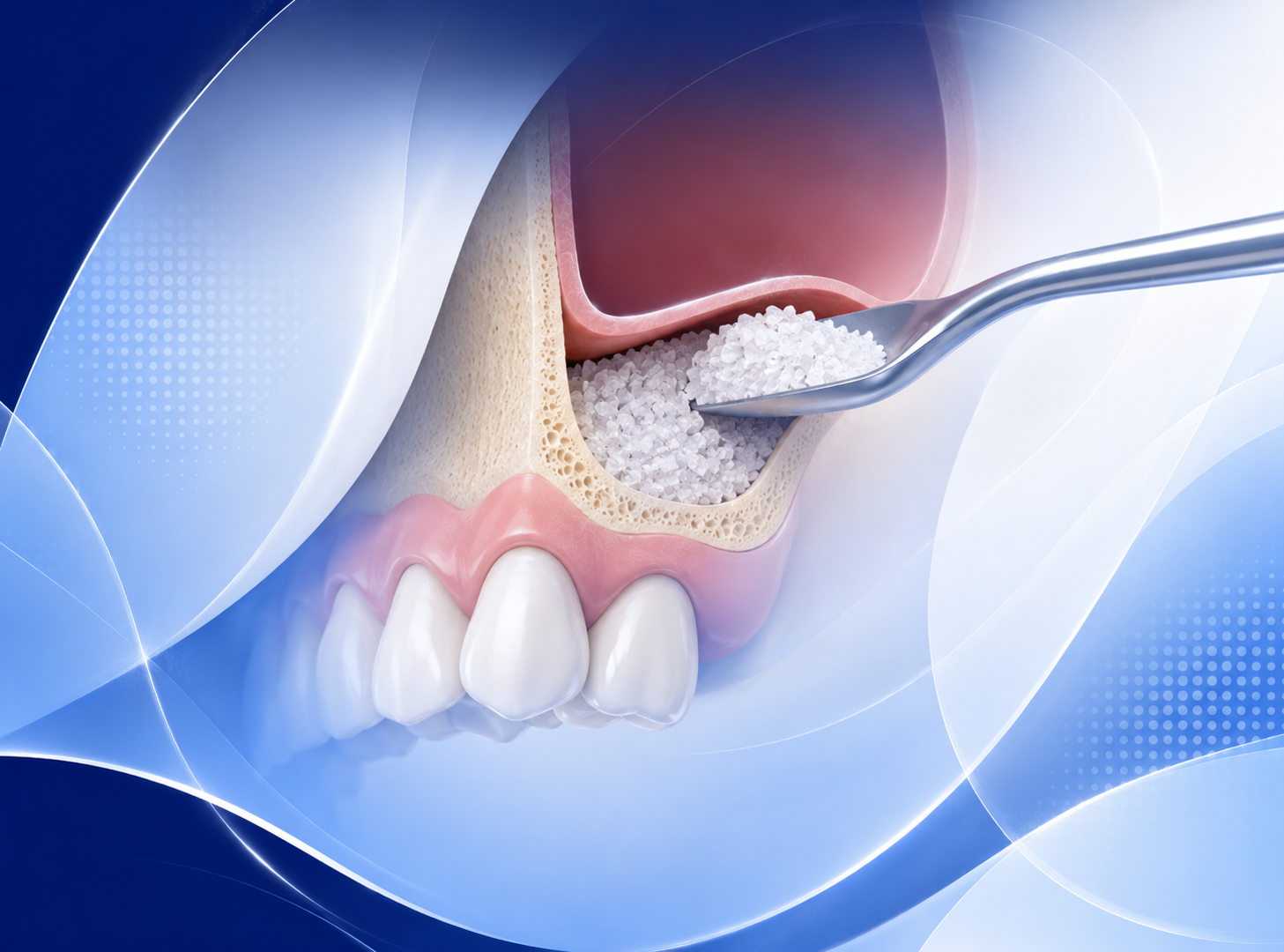
In many cases, the existing bone volume in the area of the upper molars is not sufficient for the secure placement of dental implants. Even the shortest implant cannot be placed when there is severe bone loss. In such situations, the maxillary sinuses, located on both sides of the nose, are positioned too close to the upper jawbone. To make implant placement possible, a procedure known as a sinus lift is required.

In simple terms, this procedure involves lifting the floor of the maxillary sinus and filling the area with suitable bone graft material.

There are two main techniques:

  • Lateral sinus lift — side access through the jawbone wall
  • Crestal sinus lift — access from below through the implant site (toward the dental arch)

Our new Clinic for Implantology and Surgery offers the best possible conditions in terms of both advanced equipment and experienced specialists capable of performing sinus lift procedures.

    I accept the terms and conditions, and privacy policy...

    EO_Logo
    General Safety Provisions

    This website uses cookies to provide you with the best possible experience. Cookie information is stored in your browser and serves purposes such as recognizing you when you return to our website and helping us understand which pages are most interesting and useful to you.

    You can change your cookie settings via the menu on the left-hand side.

    For more information about what data is collected on this website, how it is used, stored, and deleted, please refer to our Terms and Conditions | GDPR Policy.