Dental laser: Pain-Free treatment

Very often, patients come to us and ask:
“Doctor, after all these years, haven’t you found an alternative to those unpleasant dental instruments?”

Today, the answer is: Yes — dental lasers.

Imagine a pain-free dental treatment where the tooth is not physically touched, without the unpleasant noise and vibrations of the dental drill, and even surgery without a scalpel or bleeding.

All of this is now possible because laser technology is a revolutionary modern treatment method.

Modern dental lasers expand the possibilities of treatment and allow dentists to perform highly precise and selective clinical procedures. With their help, dentists can carry out a wide range of treatments on both hard and soft dental tissues, often without the need for anesthesia.

Patients feel comfortable both during and after the procedure.

The postoperative recovery period is characterized by extremely fast healing.

Dental lasers are an indispensable tool in surgical procedures such as frenulotomy, gingivoplasty, removal of oral ulcers and herpes lesions, as well as in the treatment of pregnant women and patients with high blood pressure. This is possible because soft tissues can be removed and coagulated simultaneously. As a result, surgical procedures can be performed without a scalpel, without bleeding, and therefore without sutures.

This provides the dentist with better visibility of the surgical field and the ability to achieve superior therapeutic results, while also reducing the postoperative recovery time by half.

Statistics show that 97% of patients treated with laser technology prefer this method over conventional treatment with turbines or traditional dental drills. Exceptional results are also observed in pediatric dentistry.

The combination of different types of lasers with various wavelengths offers our patients the best possible treatment options, and modern implantology is virtually unimaginable without laser technology.

The major therapeutic advantages and the wide range of applications — including:

  • carious lesions
  • periodontal diseases (gum diseases)
  • esthetic periodontal plastic surgery
  • physiotherapy
  • and many more

make the laser an essential instrument in modern dentistry.

For this reason, EO Dent Dental Clinic offers its patients a complete range of high-class dental laser systems from renowned manufacturers. The health and safety of our patients are ensured by experienced specialists who have completed comprehensive training at the University of Laser Therapy in Aachen, Germany.
    I accept the terms and conditions, and privacy policy...

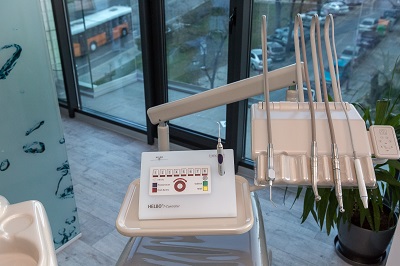
    HELBO Therapy – Application and Effectiveness

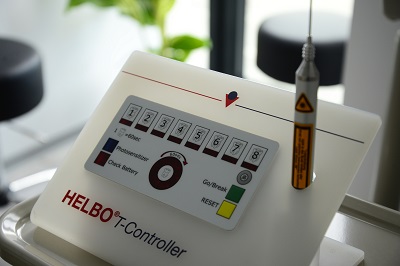
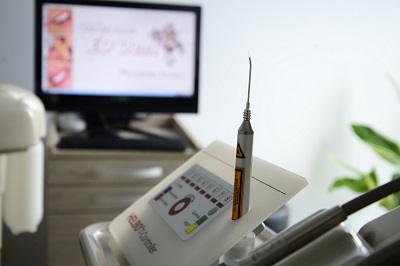
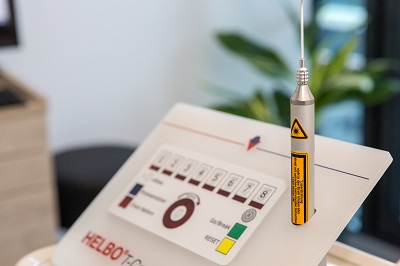
    The HELBO therapy system is used in nearly all areas of dentistry and is considered one of the most advanced treatment methods of our time. It is applied both in the treatment of generalized periodontal diseases and in implantology.

    The effectiveness of HELBO therapy in combating pathogenic bacteria is extremely high, allowing infections in the oral cavity to be eliminated very quickly. In addition, it helps protect against inflammation during the healing phase after dental implant placement.

    Modern studies show that the success rate of eliminating pathogenic bacteria with HELBO therapy reaches up to 99%. These bacteria are also the main cause of periodontal diseases.

    Statistics indicate that approximately 90% of the population suffers from problems such as:

    • bleeding gums
    • tooth pain
    • loose teeth
    • inflammation of the supporting structures of the teeth
    • bad breath
    • swelling in the oral cavity
    • destruction of the jawbone

    The good news is that these problems can now be treated effectively with HELBO therapy.

    EO Dent Dental Clinic strongly recommends not ignoring even seemingly minor oral health issues. The microorganisms responsible for these conditions can spread throughout the body and may significantly affect overall health. They have been linked to serious conditions such as:

    • heart attack
    • stroke
    • diabetes
    • and many other systemic health problems.

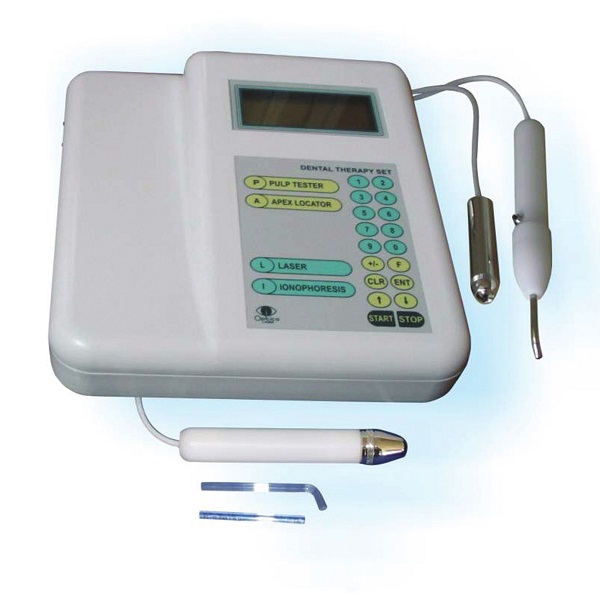
    A Low-Level Laser

    A Low-Level Laser (low-energy laser) is an energy source that affects radiation-sensitive cellular components in the body without causing destructive effects.

    Low-Level Laser Therapy (LLLT) using red and infrared lasers enables targeted treatment of pathological processes through specific laser procedures. The wavelength used ranges between 626 and 905 nm.

    Therapeutic Infrared Laser (IR)

    The infrared laser has a pronounced pain-relieving and anti-inflammatory effect deep within the tissues. It is primarily used for treating pain and deep bone inflammations.

    Infrared radiation accelerates deep biological processes, eliminates vascular spasms, and improves tissue metabolism and oxidative processes.

    Therapeutic Red Laser (RED)

    The red laser stimulates blood vessel dilation and improves blood circulation. These effects help eliminate venous congestion, reduce tissue swelling, and support regeneration through cell division and restoration of normal function.

    Low-Level Lasers in Dentistry

    Low-level lasers are extremely valuable in modern dentistry.

    Key Benefits of Low-Level Laser Therapy (LLLT):

    • Non-thermal (does not heat the tissue)
    • Helps reduce and overcome inflammation
    • Improves tissue condition
    • Promotes healing of:
      • skin
      • tendons
      • ligaments
      • nerves
      • bone
    • Often provides immediate pain relief

    This gentle and effective method complements many dental treatments and significantly improves patient comfort and well-being.

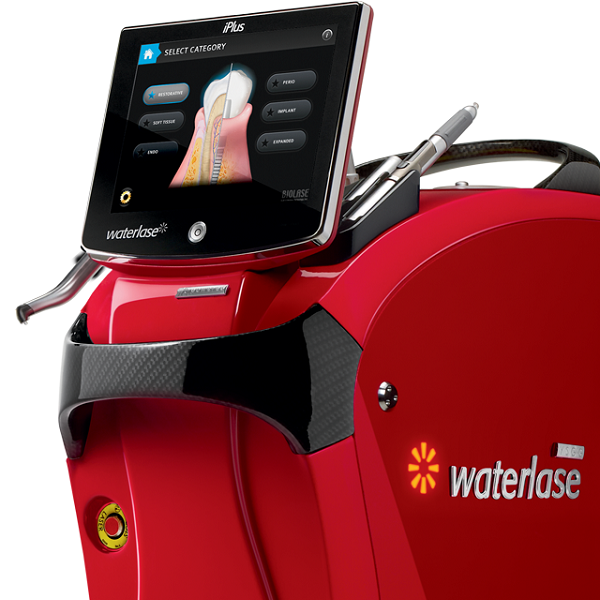
    The High-Energy Laser – Waterlase

    The High-Energy Laser – Waterlase

    WATERLASE eliminates pain through the dehydration of dentinal tubules.

    The high-energy Waterlase MD Turbo laser operates at a wavelength of 2780 nm.

    The YSGG i Plus provides excellent soft tissue coagulation with precise water control and more than 1000 W at 100 pulses per second. The i Plus Er, Cr:YSGG laser cuts tissue by acting on water molecules. The laser energy increases the temperature of the water, creating a hydro-photonic effect.

    High-energy lasers are devices that emit a very fine and intense beam of light. This energy interacts with the water present in human tissue, increasing the temperature of the water molecules. As a result, damaged and decayed tissues are vaporized, while pain is reduced through the dehydration of the dentinal tubules (blocking nerve conduction). This makes the need for anesthesia almost completely unnecessary.

    Interestingly, by regulating the energy level, the infrared beam can distinguish between diseased and healthy tissue.

    It selectively heats the softened, bacteria-affected carious areas. The beam reflects off hard, healthy surfaces and vaporizes only the affected part of the tooth without damaging the healthy enamel. This is the first dental instrument designed to work in a micro-invasive and selective manner.

    High-Energy Lasers Are Used For:

    • periodontal diseases
    • root canal sterilization
    • fistulas and abscesses
    • blood-free surgery (scalpel-free procedures)
    • pediatric dentistry
    • caries treatment

    They are also widely used in implantology, especially for the uncovering of implants, where the laser allows for extremely precise surgical incisions.

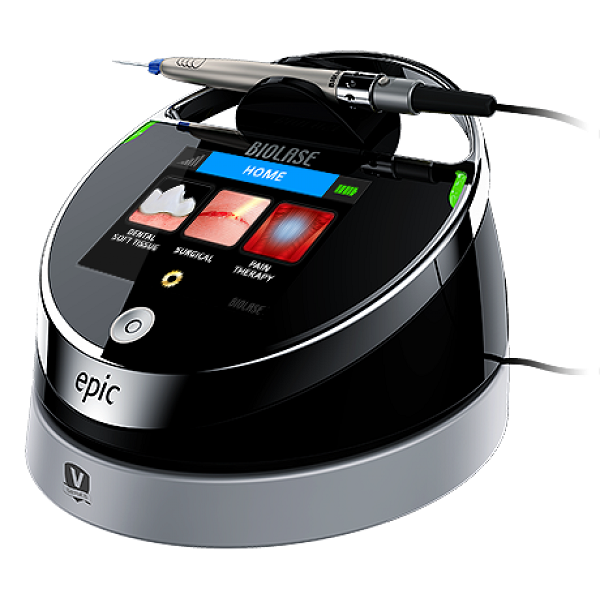
    Diode Laser

    Diode Laser (Handpiece)

    The diode laser is highly useful in dentistry and enables laser treatment of soft tissues in procedures such as:

    • Gingivoplasty (gum contouring)
    • Implant uncovering
    • Frenectomy (removal of short frenula)
    • Laser curettage in periodontal treatment
    • Gingival retraction before impression taking, ensuring high precision during the fabrication of dental restorations in the laboratory

    The optimal wavelength for a diode laser is 810 nm. This wavelength has a high affinity for hemoglobin and melanin, allowing faster and more effective coagulation with minimal bleeding and reduced treatment time.

    There is no risk of damaging healthy tissue. The use of laser technology allows access to lesions without introducing unwanted contamination from the gingival sulcus or interstitial tissues.

    This technique works in a non-surgical manner, removing damaged gingival epithelium while providing excellent hemostasis (bleeding control).

    Typically, 1.2 watts of power are used to remove unwanted gum tissue.

    HELBO Therapy

    HELBO Therapy – Application and Effectiveness

    The HELBO therapy system is used in nearly all areas of dentistry and is considered one of the most advanced treatment methods of our time. It is applied both in the treatment of generalized periodontal diseases and in implantology.

    The effectiveness of HELBO therapy in combating pathogenic bacteria is extremely high, allowing infections in the oral cavity to be eliminated very quickly. In addition, it helps protect against inflammation during the healing phase after dental implant placement.

    Modern studies show that the success rate of eliminating pathogenic bacteria with HELBO therapy reaches up to 99%. These bacteria are also the main cause of periodontal diseases.

    Statistics indicate that approximately 90% of the population suffers from problems such as:

    • bleeding gums
    • tooth pain
    • loose teeth
    • inflammation of the supporting structures of the teeth
    • bad breath
    • swelling in the oral cavity
    • destruction of the jawbone

    The good news is that these problems can now be treated effectively with HELBO therapy.

    EO Dent Dental Clinic strongly recommends not ignoring even seemingly minor oral health issues. The microorganisms responsible for these conditions can spread throughout the body and may significantly affect overall health. They have been linked to serious conditions such as:

    • heart attack
    • stroke
    • diabetes
    • and many other systemic health problems.
    Low-Energy Laser

    A Low-Level Laser

    A Low-Level Laser (low-energy laser) is an energy source that affects radiation-sensitive cellular components in the body without causing destructive effects.

    Low-Level Laser Therapy (LLLT) using red and infrared lasers enables targeted treatment of pathological processes through specific laser procedures. The wavelength used ranges between 626 and 905 nm.

    Therapeutic Infrared Laser (IR)

    The infrared laser has a pronounced pain-relieving and anti-inflammatory effect deep within the tissues. It is primarily used for treating pain and deep bone inflammations.

    Infrared radiation accelerates deep biological processes, eliminates vascular spasms, and improves tissue metabolism and oxidative processes.

    Therapeutic Red Laser (RED)

    The red laser stimulates blood vessel dilation and improves blood circulation. These effects help eliminate venous congestion, reduce tissue swelling, and support regeneration through cell division and restoration of normal function.

    Low-Level Lasers in Dentistry

    Low-level lasers are extremely valuable in modern dentistry.

    Key Benefits of Low-Level Laser Therapy (LLLT):

    • Non-thermal (does not heat the tissue)
    • Helps reduce and overcome inflammation
    • Improves tissue condition
    • Promotes healing of:
      • skin
      • tendons
      • ligaments
      • nerves
      • bone
    • Often provides immediate pain relief

    This gentle and effective method complements many dental treatments and significantly improves patient comfort and well-being.

    High-Energy Laser

    The High-Energy Laser – Waterlase

    The High-Energy Laser – Waterlase

    WATERLASE eliminates pain through the dehydration of dentinal tubules.

    The high-energy Waterlase MD Turbo laser operates at a wavelength of 2780 nm.

    The YSGG i Plus provides excellent soft tissue coagulation with precise water control and more than 1000 W at 100 pulses per second. The i Plus Er, Cr:YSGG laser cuts tissue by acting on water molecules. The laser energy increases the temperature of the water, creating a hydro-photonic effect.

    High-energy lasers are devices that emit a very fine and intense beam of light. This energy interacts with the water present in human tissue, increasing the temperature of the water molecules. As a result, damaged and decayed tissues are vaporized, while pain is reduced through the dehydration of the dentinal tubules (blocking nerve conduction). This makes the need for anesthesia almost completely unnecessary.

    Interestingly, by regulating the energy level, the infrared beam can distinguish between diseased and healthy tissue.

    It selectively heats the softened, bacteria-affected carious areas. The beam reflects off hard, healthy surfaces and vaporizes only the affected part of the tooth without damaging the healthy enamel. This is the first dental instrument designed to work in a micro-invasive and selective manner.

    High-Energy Lasers Are Used For:

    • periodontal diseases
    • root canal sterilization
    • fistulas and abscesses
    • blood-free surgery (scalpel-free procedures)
    • pediatric dentistry
    • caries treatment

    They are also widely used in implantology, especially for the uncovering of implants, where the laser allows for extremely precise surgical incisions.

    Diode Laser

    Diode Laser

    Diode Laser (Handpiece)

    The diode laser is highly useful in dentistry and enables laser treatment of soft tissues in procedures such as:

    • Gingivoplasty (gum contouring)
    • Implant uncovering
    • Frenectomy (removal of short frenula)
    • Laser curettage in periodontal treatment
    • Gingival retraction before impression taking, ensuring high precision during the fabrication of dental restorations in the laboratory

    The optimal wavelength for a diode laser is 810 nm. This wavelength has a high affinity for hemoglobin and melanin, allowing faster and more effective coagulation with minimal bleeding and reduced treatment time.

    There is no risk of damaging healthy tissue. The use of laser technology allows access to lesions without introducing unwanted contamination from the gingival sulcus or interstitial tissues.

    This technique works in a non-surgical manner, removing damaged gingival epithelium while providing excellent hemostasis (bleeding control).

    Typically, 1.2 watts of power are used to remove unwanted gum tissue.

    EO_Logo
    General Safety Provisions

    This website uses cookies to provide you with the best possible experience. Cookie information is stored in your browser and serves purposes such as recognizing you when you return to our website and helping us understand which pages are most interesting and useful to you.

    You can change your cookie settings via the menu on the left-hand side.

    For more information about what data is collected on this website, how it is used, stored, and deleted, please refer to our Terms and Conditions | GDPR Policy.